 +91-8727000867
 +64 22 003 5555


Best Last Mile Delivery Food in India (2026) – Comparison & Pricing for B2C & B2B
Quick takeaway: In 2026, India’s last-mile food delivery handles millions of daily orders, with B2C and B2B platforms growing quickly across metro and Tier-2 cities nationwide
In 2026, India’s last-mile food delivery handles millions of daily orders, with B2C and B2B platforms growing quickly across metro and Tier-2 cities nationwide.
Highlights
- Swiggy and Zomato control over 60% of urban B2C food delivery orders nationwide.
- Cloud kitchens account for 35% of delivery orders in India’s expanding urban areas market.
- Restaurants with in-house fleets cut commission costs by 20–25% compared to others marketplaces.

Co-Founder
Vandana Abrol 
5 min read
An enthusiastic developer and skilled business management expert with over a decade of experience in the field
Food delivery in India has undergone rapid change over the past five years, surpassing the growth seen in the previous two decades. By 2026, last-mile food delivery will be more than just transporting meals from kitchens to customers’ doors; it will become a crucial part of consumer convenience and business operations. From office workers ordering lunch to restaurants managing high-volume orders, last-mile delivery handles millions of transactions every day. The combination of logistics, technology, riders, cloud kitchens, and customer behavior makes this a rapidly evolving industry. More restaurants are investing in food delivery app development to efficiently meet this increasing demand, gaining control over orders, delivery schedules, and customer interactions.
This comprehensive guide provides an in-depth overview of last-mile food delivery in India for 2026. It covers operations, pricing, and models for both B2C and B2B businesses, offering detailed insights into service providers. Whether you are a restaurant owner, cloud kitchen operator, logistics planner, or a researcher analyzing the market, this article gives a complete perspective on India’s last-mile delivery landscape.
Check out Top Food Delivery Platforms in India 2026 – Reviews for a detailed comparison of leading services.
1. How Last Mile Food Delivery Works in India (2026)
Last-mile delivery refers to the final step of moving food from a restaurant or cloud kitchen to the customer. This stage is crucial, as timing, temperature, and communication impact customer satisfaction. Delivery within 20–35 minutes is now standard in metro areas, and micro-fulfillment centers have emerged to speed up deliveries in busy urban locations. Many restaurants depend on on-demand food delivery app development to assign riders efficiently, track deliveries in real time, and manage last-minute changes to orders.
The typical workflow begins when a customer places an order through a restaurant’s app or a marketplace platform. The order is sent to the kitchen for preparation, a delivery driver is assigned, and the food is picked up for delivery. Coordination between the kitchen, platform, and driver is essential for smooth operations execution.
India’s scale is unrivaled. In cities such as Mumbai, Delhi, and Bengaluru, platforms process millions of orders every day, prompting restaurants to food ordering app development to keep up with efficiency and timely delivery. Features such as route optimization, location mapping, and digital tracking are now standard tools for managing high-volume operations.
2. Growth of Last Mile Delivery in India
There are many reasons why India has become a global leader in this space:
- Rising urban population: More households prefer ordering meals rather than cooking every day, especially working professionals in Tier 1 cities.
- Affordable meal choices: Cloud kitchens reduce costs. Small outlets can operate without expensive seating areas, helping them stay competitive pricing.
- Availability of riders: A large workforce of delivery agents drives rapid growth, with flexible hours and earnings linked to orders volume.
- Technology adoption: Real-time tracking has become a standard feature. Restaurants can monitor order flow, and customers can follow rider movement on a map.
- Trust in digital payments: UPI has enhanced the system's smoothness. Payment reconciliation for restaurants is much simpler than previous card-based methods models.
These factors have propelled the industry into a steady state of high demand phase.
3. Major Last Mile Food Delivery Categories in India
The Indian market can be analyzed through various operating categories. Each category has its own pricing, purpose, and customer base type.
1. B2C Marketplace Platforms
Marketplaces connect users with thousands of outlets. These platforms handle everything: discovery, ordering, payment, and delivery coordination. Delivery usually follows a fixed commission-based model, and restaurants pay a percentage on every order.
Consumers choose marketplaces for their variety, quick access, discounts, and the convenience of trusted brands. These platforms serve almost every metro area and Tier 2 city.
2. B2B Last Mile Delivery Services
These primarily logistics-focused companies enable restaurants and cloud kitchens to maintain full control over their orders. Instead of relying on marketplace riders, restaurants choose to hire delivery fleets through a subscription or pay-per-order model. Larger brands sometimes prefer this method because they want direct communication with customers and increased profits margins.
3. Restaurant-Owned Delivery Networks
Some well-known brands maintain their own delivery fleets. These businesses focus on regular customers and community orders. This approach is common among pizza shops, bakery chains, and regional food brands with loyal audience.
4. Hyperlocal Delivery Companies
These companies cover short distances, usually within 2–3 km, and deliver both food and everyday essentials. They support restaurants that need very quick delivery for nearby areas orders.
4. Best Last Mile Food Delivery Services in India (2026)
This section highlights the top players in the last-mile delivery ecosystem for both B2C and B2B operations based on coverage, speed, pricing, and customer satisfaction.
Swiggy (Marketplace Model)
Swiggy continues to be one of India’s top B2C food platforms. It supports thousands of restaurants and has a large rider network capable of handling peak-hour demand. Restaurants can also run promotional campaigns through the platform.
Swiggy is frequently used by restaurants that have developed a food delivery app for hybrid ordering, supporting both direct orders and platform-based orders simultaneously.
Zomato (Marketplace Model)
Zomato competes closely with Swiggy and offers structured support for restaurant onboarding, menu updates, and marketing. The platform has a broad reach, including Tier 2 and Tier 3 areas cities.
Brands looking to reduce dependence on third-party platforms might develop their own on-demand food delivery app alongside Zomato listings to manage orders efficiently.
Dunzo
Dunzo manages short-distance and hyperlocal deliveries. Restaurants rely on Dunzo for nearby orders and flexible, distance-based service pricing.
B2B clients often rely on Dunzo for quick delivery of packaged food items to local offices or small businesses outlets.
Shadowfax
Shadowfax is a preferred B2B logistics provider for cloud kitchens and franchise chains. Its emphasis on food-grade handling, proper packaging, and dependable delivery times makes it suitable for high-volume shipments orders.
Some brands develop Food Ordering Apps to connect their inventory with Shadowfax, ensuring real-time coordination between the kitchen and delivery.
Rapido Food Delivery
Rapido hires two-wheeler riders to efficiently handle last-mile deliveries. Its simple rate structure and flexible rider assignment make it ideal for restaurants looking for faster service in busy areas.
In-House Fleets (Pizza Chains, Bakeries, Cloud Kitchen Brands)
Several well-known companies have invested in their own efforts riders:
- Pizza outlets
- Biryani chains
- Bakery stores
- Dosa and South Indian franchises
- Multi-outlet cloud kitchens
Brands operating in multiple cities might develop food delivery mobile apps to efficiently coordinate their fleets and oversee operations orders.
The cost of maintaining a fleet depends on salaries, rider incentives, fuel, packaging, and routing. Chains with predictable order volumes find this model beneficial and sustainable.
5. B2C Pricing Models in 2026
Food delivery prices for consumers are influenced by various factors such as distance, peak hours, rider availability, and restaurant category.
Common Customer Charges in 2026
- Delivery fee: ₹20 to ₹45 in most metros
- Surge fee during peak hours
- Packing charges: ₹5 to ₹30 depending on the outlet
- Platform fee: a small fixed additional charge
- Discounts partly funded by restaurants or platforms
While customers may pay small delivery fees, restaurants still shoulder most of the costs. This makes it essential for hotels and cloud kitchens to choose a model that suits their business margins.
6. B2B Pricing in 2026 (Restaurant Costs)
Below is a detailed overview of restaurant-side pricing. These estimates are approximate and might vary across cities.
Marketplace Commission Model
Restaurants pay a percentage on each transaction order:
- Commission range: 18% to 30%
- Extra 2–4% payment processing charge
- Promotional ads cost extra
- Packaging provided by the restaurant
Higher commission applies to newly onboarded restaurants or those with low monthly order volumes.
Third-Party Delivery (Per Order Model)
When restaurants hire delivery companies like Shadowfax, Rapido, or Dunzo, pricing might appear to be this:
- ₹35 to ₹70 per order, depending on distance
- Extra charge for long-distance delivery beyond 6–7 km
- No commission on food prices
- Monthly billing option available
This model is helpful for restaurants aiming to manage margins better
Salaried Fleet Model
Restaurants with their own riders usually pay:
- Salary per rider: ₹12,000 to ₹17,000
- Incentives based on the number of orders
- Fuel reimbursement
- Maintenance of delivery boxes and bags
Although the initial cost appears high, this model becomes cost-effective for restaurants with a high daily order volume.
7. Which Model Is Better for B2C and B2B in 2026?
The best model depends on the specific problem the restaurant or consumer aims to solve. Customers typically prefer marketplace apps because they provide convenience and a wide selection. For businesses, the choice is usually based on order volume and long-term goals.
Restaurants with low order frequency might prefer relying on marketplaces. Established brands or cloud kitchens may avoid commissions and concentrate on their own system.
A clear trend is that restaurants now use multiple systems. They stay on marketplaces for visibility and also maintain their own delivery channels to retain loyal customers.
8. Why B2C Platforms Continue to Dominate
Several factors make marketplace apps strong even today. Most households prefer apps like Swiggy or Zomato because they bring everything together in one platform. The inclusion of ratings, menu details, delivery tracking, and payment options removes the need for multiple separate apps.
For restaurants, listings on these platforms provide immediate access to customers without spending large sums on marketing. Even if commissions seem high, the visibility offered is hard to match for a new brand.
Platforms also offer analytics on order trends, helping restaurants identify their top-selling items and peak busy times. Restaurants using food delivery app development for direct orders supplement marketplace dependency without losing visibility.
9. B2B Delivery Growth in 2026
There is increasing interest among restaurants in reducing their reliance on marketplaces. The primary reasons for the growth of B2B delivery include:
- Higher margins: Restaurants keep a larger portion of the food price because there is no commission.
- Better control: They can communicate directly with customers about offers or loyalty rewards.
- Brand identity: Many restaurants aim to build recognition without solely relying on third-party service platforms.
- Predictable pricing: Pre-order and subscription-based delivery systems provide them with a clear picture of costs.
These factors have enabled logistics companies to establish a significant presence in India’s delivery sector market.
 Ready to Own Your Food Delivery System?
Marketplace dependency cuts into margins. Digittrix helps restaurants, cloud kitchens, and food brands build last-mile delivery platforms that give full control over orders, riders, costs, and customer relationships.
Build your delivery platform →10. Comparing Delivery Speeds Across Providers
Consumers today expect quick delivery. Here's a general overview of delivery times:
- Swiggy: 20–35 minutes in metros
- Zomato: 20–40 minutes
- Dunzo: 15–30 minutes for short distances
- Shadowfax: usually 25–38 minutes, depending on contract
- Rapido: depends on rider availability
Speed varies depending on traffic, distance, weather, and rider density in the area. No platform can guarantee a fixed delivery time for all orders, but the overall trend shows improvements in routing, delay prediction, and rider assignment.
11. Impact of Cloud Kitchens on Last Mile Delivery
Cloud kitchens have contributed to India’s delivery ecosystem growing rapidly. These kitchens operate without seating, focusing solely on delivery. This lowers rent and manpower costs and enables entrepreneurs to launch food brands in smaller spaces.
Cloud kitchens, focusing exclusively on delivery, house multiple brands under one roof. Multi-brand setups, like biryani, rolls, and desserts, enhance preparation efficiency and give customers more choices. Many cloud kitchens now implement Food Ordering App development to streamline centralized order management across brands.
The presence of cloud kitchens helps marketplaces expand menus and meet rising demand. For customers, this offers more choices and improved options pricing.
12. Packaging Standards in 2026
Packaging plays a crucial role in last-mile delivery because food travels several miles in different weather conditions. Most restaurants now use spill-proof containers. High-demand cuisines like biryani, curry-based dishes, and soups need more durable packaging.
Platforms advise restaurants on the best packaging methods for items that may spill or lose shape. Hot meals often include insulating bags to preserve temperature during service travel.
The cost of packaging materials has risen compared to previous years. This expense is entirely covered by the restaurants and is a crucial part of the order economics.
13. Rider Experience in 2026
Delivery agents are the backbone of this industry, and their experience directly impacts service quality. Platforms now provide:
- Accident insurance
- Navigation support
- Local area mapping
- Performance incentives
Some companies provide training on proper meal handling. Many brands also ensure effective communication channels for riders during busy hours.
The growing rider base ensures that customers in metros get food quicker than ever before.
14. How Technology Shapes Last Mile Food Delivery in 2026
While avoiding banned terms, we can still explain how digital systems support delivery:
- Real-time GPS tracking: Customers check the rider's location and estimated arrival time.
- Order batching: Platforms may assign multiple orders on the same route for better efficiency.
- Route planning: Systems assist riders in selecting the shortest route paths.
- Customer chat support: If customers need updates, they can message or call us within the app.
- Kitchen alert systems: Restaurants receive notifications to begin cooking at the correct moment.
These features enhance coordination and diminish confusion.
15. Mobile Apps and Software Role in Restaurant Success
Restaurants today rely heavily on digital platforms to handle orders. Many use custom-built apps, while others rely on third-party software services.
The need for better digital systems has grown, leading to increased interest in developing apps. Restaurants now want apps where customers can order directly, track delivery, and make payments. Some brands prefer advanced features that include loyalty points and repeat visits orders.
Another segment focuses on on-demand food delivery app development because they want flexibility to add or remove delivery partners. This helps restaurants reduce dependency on the marketplace apps.
Many brands also invest in Food Ordering App development, especially when they prefer a menu-first layout instead of a marketplace-style display. This enables customers to access the brand directly without interference from competitors.
In some cases, especially in larger cities, restaurants also opt for food delivery mobile app development when they want a personalized experience for loyal customers.
These technologies help businesses stay connected to their regular operations audience.
16. Detailed B2C and B2B Comparison (2026)
B2C Model
This model is ideal for individuals seeking convenience. Customers enjoy a wide variety of choices, frequent deals, and an easy-to-use ordering process. They depend on marketplaces to display menus from thousands of restaurants. The rating system helps them make quick decisions. Delivery charges are simple and predictable. Most households prefer this model for daily needs orders.
B2B Model
Businesses like cloud kitchens and franchise chains prefer B2B delivery partners for better margin control. Since there is no commission on food prices, restaurants can keep their earnings stable. The model also allows them to maintain direct communication with customers. Larger chains typically opt for fixed monthly billing, while smaller outlets rely on per-order delivery services. B2B models are expanding because restaurants want more independence.
17. Future of Last Mile Food Delivery in India (2026 and Beyond)
Looking at the current pace of growth, several opportunities appear for the coming years:
- Rise of micro-hubs: These smaller dispatch centers can cut rider travel time and assist in delivering meals faster.
- Growth of subscription meal services: Many professionals are moving to fixed weekly meal subscriptions. Restaurants and cloud kitchens will encounter new opportunities here.
- Wider B2B adoption: More chains could decrease dependence on marketplace commissions and develop their own systems.
- Faster payment settlement for restaurants: Restaurants prefer platforms that process payments within one or two days instead of weekly cycles.
- More community-based meal delivery: Neighborhood kitchens and local food brands will gain recognition as customers seek affordable, home-style food options.
18. Real Challenges Restaurants Face in Last Mile Delivery
Despite significant progress, the industry still faces several challenges:
- Delivery time variations: Traffic, weather, and high demand affect delivery speed.
- Packaging cost: Restaurants spend more on packaging today than ever before.
- Commission pressure: Marketplace fees impact restaurant margins, especially for small business outlets.
- Rider shortage at peak hours: During festivals and holidays, rider availability fluctuates.
- Order cancellations: Late cancellations cause financial losses for both restaurants and delivery service partners.
Restaurants now try to balance between marketplace visibility and their own delivery channels to reduce these issues.
 Planning Your Own Last-Mile Food Delivery Platform?
Building a food delivery system goes beyond just taking orders. Rider allocation, delivery tracking, pricing logic, integrations, scalability, and cost control all matter. Digittrix helps restaurants, cloud kitchens, and food brands plan and build delivery platforms that align with real on-ground operations in India.
19. Complete Cost Breakdown for Restaurants in 2026
A typical restaurant’s cost per order may include:
- Food Cost
- Packaging Materials
- Marketplace Commission or Third-Party Fees
- Kitchen Staff Salary
- Electricity and Rent.
- GST and Tax Deductions
Because margins are slim in the food industry, restaurants scrutinize every part of the delivery process. Cloud kitchens typically have better margins because they avoid dine-in expenses.
20. Importance of Quality and Accuracy in Last Mile Delivery
Customers expect accurate orders, quality food, and punctual service. Even small mistakes can impact restaurant ratings. Many restaurants train their staff to carefully package items and label containers properly.
Riders also verify the order before pickup. This minimizes the chance of returning items and prevents confusion.
Proper handling is a main reason some restaurants choose their own delivery fleet.
21. Mobile Apps for Restaurants: A Growing Trend
Restaurants are increasingly seeking direct customer contact, leading to a greater focus on digital ordering systems.
Brands choose food delivery app development when they want a comprehensive branded ordering experience. They also consider on-demand food delivery app development when they need flexible delivery options logic.
Larger chains invest in Food Ordering App development to handle high traffic and extensive menus. Ultimately, tech-focused brands invest in food delivery mobile app development to provide a smooth experience on Android or iOS.
This adoption gives restaurants more control over customer interactions.
22. Final Comparison Table (Written in Paragraph Style)
Swiggy and Zomato dominate B2C ordering with wide menus and predictable delivery times. Their commissions range from moderate to high, depending on the outlet. Dunzo and Rapido offer distance-based pricing suitable for local orders. Shadowfax is preferred by chain restaurants because it can handle large-scale operations. In-house fleets work best when order volumes justify the salaries of riders. Each model has its own strong points, and the best choice depends on order frequency, menu type, delivery radius, and long-term business goals.
Choosing the right platform? Check Digittrix's food delivery platform guide to make smarter decisions!
Final Words
The Indian last-mile food delivery industry has become one of the strongest and busiest sectors in 2026. With millions relying on these services each day, both customers and restaurants want consistency, fair pricing, and dependable delivery times.
Marketplaces like Swiggy and Zomato remain strong for B2C audiences because they bring convenience and menu variety. On the other hand, B2B delivery services have grown because restaurants want better margin control and direct customer communication. Cloud kitchens, independent brands, franchise chains, and new entrepreneurs all rely heavily on organized delivery methods to manage daily orders.
As more restaurants consider their own delivery apps and systems, the market may see increasing variety in how food reaches customers. Whether through marketplace platforms, direct apps, or B2B delivery companies, India is set to remain one of the world’s most active food delivery markets.
The coming years will bring new opportunities for both consumers and restaurants, and last-mile delivery will continue to shape the way India enjoys its meals.
Build Your Own Last Mile Food Delivery Platform with Digittrix
In 2026, owning a last-mile food delivery platform in India is a smart move for restaurants, cloud kitchens, and new food startups. As millions of consumers increasingly order meals through mobile apps, having your own system lets you manage customer orders, assign deliveries efficiently, track riders, and handle payments without relying entirely on third-party services marketplaces.
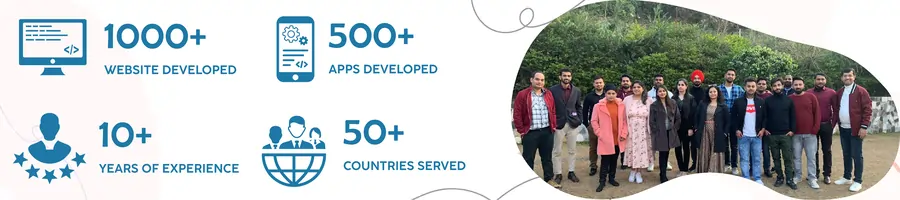
Digittrix, with over 14 years of experience in food delivery app development, helps you build a complete delivery ecosystem tailored for the Indian market. The team collaborates closely with restaurants, cloud kitchens, and B2B food businesses to ensure smooth order management, optimized delivery operations, and better control over costs.
Whether you are a growing brand or starting your first food venture, Digittrix offers solutions that simplify last mile delivery, boost customer satisfaction, and help scale your business in India’s fast-paced food delivery scene market.
For a free consultation, call +91 872700086760 or email us at digittrix@gmail.com.
 7-Day Risk Free Start
Start Your 7-Day Free Trial With Proven Experts
If this article sparked a project idea, start with a dedicated expert for 7 days at no risk. Continue at just $10/Hour if the collaboration is the right fit for your business.

Dedicated Expert Access
Work directly with a specialist aligned to your project goals and timeline.

Direct Chat with Your Team
Collaborate in real-time and get instant support.

Screenshots & Reports
Receive regular reports to track progress transparently.

No Contracts
No commitments. Cancel anytime, no hassle.

Limited Slots Available This Week!
Kickstart Your Project With Zero Risk And Total Confidence.


& Growing Brands
Do you need help in Mobile App development ?


Join over 1500+ businesses we've already helped!

Table of Contents
Recent Posts
05 Apr 2026
 FAQ's
FAQ's
Swiggy and Zomato are the leading B2C platforms, offering fast delivery, wide menus, real-time tracking, and reliable customer support.
B2B services allow restaurants, cloud kitchens, or franchises to hire logistics companies for per-order or subscription-based delivery, ensuring margin control and direct customer interaction.
Cloud kitchens focus solely on delivery, reduce rent costs, allow multi-brand operations, and help restaurants meet high demand efficiently.
Yes, restaurants can use food delivery app development, on-demand food delivery app development, Food Ordering App development, and food delivery mobile app development to manage orders directly and reduce reliance on marketplaces.
Delivery times depend on the provider and distance. Metro cities typically see 20–40 minutes via Swiggy or Zomato, while Dunzo and Rapido handle shorter, faster deliveries.
