+91-8727000867
 +64 22 003 5555


Why Telehealth Security Builds Patient Trust and How to Improve It
Telehealth security breaches compromise private health data, risking patient trust. Strong security measures in a telemedicine app protect data, trust, and healthcare services.
Highlights
- Over 45% of healthcare breaches involve compromised mobile apps or telemedicine platforms globally..
- Strong encryption in telemedicine apps cuts breach risks by nearly 60% for patient data.
- 72% of patients demand secure telemedicine apps before sharing personal health and payment details.

Co-Founder
Harsh Abrol 
4 min read
With Over 14 years of Experience in the IT Field, Helping Companies Optimise there Products for more Conversions
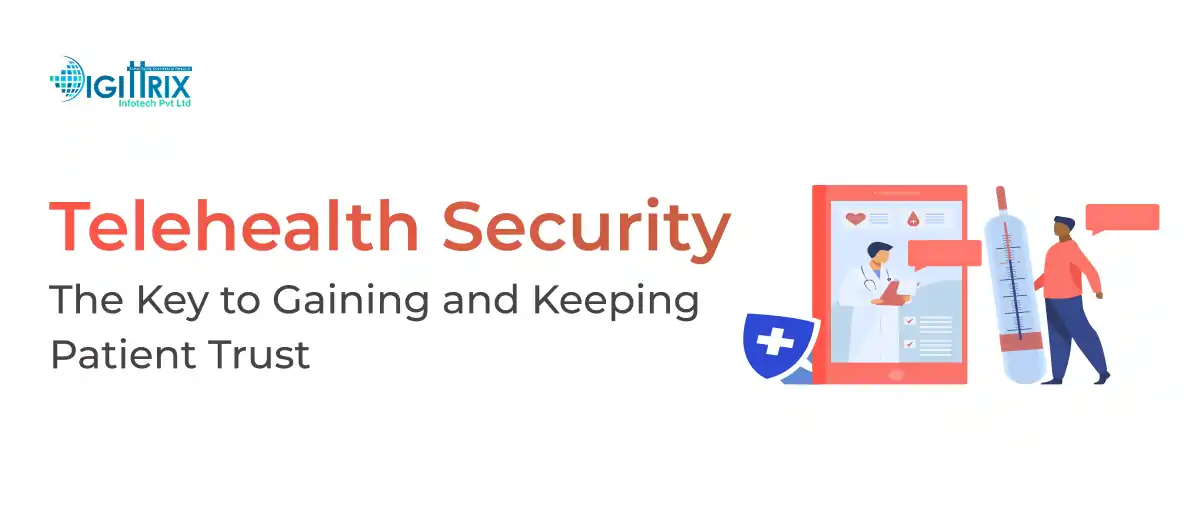
The healthcare industry has quickly embraced digital solutions. Telehealth has become a key way for Australians to access medical advice and care without needing to visit clinics in person. While this transition offers many advantages, it also introduces serious responsibilities. Patients share private details about their health, identity, and finances through telemedicine platforms. If this information isn't protected, it can undermine patient trust and even jeopardise their wellbeing.
This article will examine why telehealth security is crucial for patient confidence and outline the steps healthcare providers, developers, and organizations can take to protect sensitive information. We will also explore how telemedicine app development and healthcare app practices contribute to supporting secure, trustworthy care.
Interested in digital health? Explore key considerations in telemedicine app development—from features and regulations to cost and security.
Telehealth: A New Way to Connect Patients and Doctors
Telehealth uses technology to deliver medical services via the internet or phone. Video calls, messaging, remote monitoring devices, and mobile health apps are all part of this method. Telemedicine mobile apps allow patients to book appointments, discuss symptoms, receive prescriptions, and monitor progress without leaving their homes.
This level of convenience makes healthcare accessible for people living in remote areas or who have trouble travelling. However, it also means that private health information travels through networks and is stored digitally. When personal health records, insurance details, and payment information are transferred electronically, security gaps can have serious consequences.
Why Telehealth Security Should Be a Priority
1. Protecting Patient Privacy
Patients expect their medical information to remain confidential. When a telemedicine app fails to secure data, it can lead to unauthorized access, identity theft, or misuse of records. Such breaches can irreparably damage a person’s sense of safety and privacy.
People won't feel comfortable using telehealth services if they believe their sensitive information could fall into the wrong hands. A single security breach can deter patients from seeking care or sharing vital details, which may lead to poorer health outcomes.
2. Meeting Legal and Regulatory Standards
In many countries, laws and regulations establish strict rules on how health data must be managed. In Australia and other countries, such rules are in place to ensure patient confidentiality and safety. For instance, in the United States, the Health Insurance Portability and Accountability Act (HIPAA) requires organizations to protect patient information. Failing to comply with these regulations can result in fines, legal actions, or the loss of the ability to provide care.
Healthcare providers and any telemedicine app development company that creates solutions for them must fully understand these regulations. Security is not only an ethical duty but also a legal obligation.
3. Building and Keeping Patient Trust
Trust is the key to any healthcare relationship. When patients use a telemedicine app or platform, they need to feel sure that their records will be secure. If a patient sees that a provider uses safe systems and clear privacy policies, they are more likely to keep using the service and recommend it to others.
Conversely, reports of data breaches can damage a provider’s reputation. Once public trust is lost, it’s very difficult to restore. That’s why security should be a top priority in healthcare app development and mobile app projects.
Common Telehealth Security Risks
Before discussing how to improve security, it helps to understand the most frequent risks facing telehealth systems:
- Weak Authentication: If user accounts rely only on simple passwords, they can be easily guessed or stolen.
- Unsecured Networks: Data sent over unprotected Wi-Fi can be intercepted by malicious actors.
- Inadequate Encryption: If information is not properly encrypted, it may be read by unauthorized individuals.
- Software Vulnerabilities: Outdated apps can have flaws that attackers exploit.
- Lack of User Awareness: Patients and staff may accidentally share information in ways that compromise privacy.
These issues can appear in any system, including on-demand app development solutions, unless they are addressed at every stage.
How to Improve Telehealth Security
Developers, healthcare organisations, and providers can take multiple steps to enhance security. The following practices are broadly recommended and can help fortify any telemedicine platform.
1. Use Strong Authentication Methods
Simple passwords are no longer sufficient to safeguard accounts. Implementing two-factor authentication adds an extra layer of security. This requires users to provide a second form of verification, such as a code sent to their phone, before accessing sensitive information.
When building telemedicine apps, developers should include options for strong authentication and educate users on how to set up secure logins.
2. Encrypt Data in Transit and at Rest
Encryption transforms information into unreadable code unless the correct key is available. This method should be used for all data transmitted over the internet and stored on servers.
A professional telemedicine app development company can create systems that use industry-standard encryption protocols. This makes it much more difficult for attackers to steal or tamper with data.
3. Keep Software Updated
Regular updates are essential to fix security gaps that hackers might exploit. Telemedicine mobile apps, operating systems, and server software must be updated as soon as security patches are available.
When working with a healthcare app development team, providers should make sure that maintenance plans include regular updates and testing.
4. Limit Access Based on User Roles
Not everyone needs access to all parts of a healthcare system. Role-based access controls enable administrators to assign different permissions to patients, clinicians, and administrative staff. This decreases the risk of unauthorized access.
For example, a nurse might be able to view treatment records but not billing details. A patient might only see their records. These restrictions can help prevent misuse and errors.
5. Provide Clear Privacy Policies and User Training
Patients and staff should be informed about how their information is stored and protected. Clear policies help users understand their rights and responsibilities. Regular training sessions for staff can reduce errors like sharing login details or sending records to the wrong email address.
Developers and providers should collaborate to produce materials that explain security measures in plain language.
6. Use Secure Networks and Devices
Patients and healthcare professionals should be encouraged to use secure internet connections when accessing telehealth services. Avoiding public Wi-Fi and keeping devices' antivirus software up to date can help minimise risks.
During healthcare app development, it is also important to test how apps perform on different devices and connections to ensure no vulnerabilities are introduced.
7. Monitor Systems for Unusual Activity
Real-time monitoring can spot suspicious activity, such as repeated failed login attempts or large data transfers at unusual hours. Security teams should have tools ready to respond promptly when something out of the ordinary happens.
A telemedicine app development company can incorporate monitoring systems that automatically alert administrators to potential threats.
8. Perform Regular Security Audits
Third-party audits can reveal hidden vulnerabilities that internal teams might miss. Independent experts can test the system for weaknesses and suggest improvements. This process should be carried out regularly, especially when new features are introduced or regulations change.
The Role of Development Practices in Security
Telehealth security relies not only on policies and user behaviour but also on how the software is developed. Secure development practices help prevent many issues before they reach production.
Secure Code Design
During the planning stage, developers should consider how data flows through the app and where risks may emerge. By designing secure workflows from the outset, it becomes easier to protect information without needing to retrofit solutions later.
Careful Testing
Testing is essential in mobile and on-demand app development. Developers need to identify vulnerabilities, such as injection attacks or misconfigurations, before launching the app.
Clear Communication with Clients
A reliable telemedicine app development company will keep healthcare providers updated on security decisions, trade-offs, and precautions. This openness helps build trust between developers and clients.
Why Patient Trust Depends on Security
Telehealth depends on the belief that patients can safely share their health information. Without robust protections, patients might avoid using telehealth services entirely. In rural areas or among people with mobility issues, this could mean losing access to vital care.
Patients may also be concerned about how a data breach could affect their finances and social connections. If sensitive details about their health or identity are revealed, it can cause lasting damage. That is why every healthcare provider must prioritise security.
How Telemedicine Security Helps Providers and Developers
Strong security practices don’t just protect patients—they also help providers, developers, and organizations in several ways:
- Compliance: Meeting legal requirements avoids penalties and keeps operations running smoothly.
- Reputation: A history of strong security builds credibility with patients and partners.
- Financial Protection: Preventing breaches helps avoid expensive lawsuits and recovery costs.
- Innovation Support: Secure systems allow teams to introduce new features confidently.
When telemedicine app development and healthcare app development teams collaborate with providers, they can create solutions that safeguard patients while supporting modern care.
Exploring healthcare innovation? Discover how mobile apps are revolutionizing telemedicine — making care more accessible and efficient.
Final Words
Telehealth security is more than just a technical issue—it is a matter of trust between patients and healthcare professionals who care for them. As telemedicine mobile apps become part of everyday life, security must be integrated into every stage, from planning and development to ongoing maintenance.
By implementing strong authentication, encryption, regular updates, and user education, healthcare providers can demonstrate to patients that their privacy is valued. Partnering with experienced developers in mobile and on-demand app development can help create solutions that secure information while providing care in modern, accessible ways.
Ultimately, protecting patient data isn’t just about compliance—it’s about respecting the people who depend on healthcare services. The right security measures help build trust, ensure safety, and improve health outcomes for everyone.
Build Your Secure Telemedicine App with Digittrix
If you’re planning to build a telemedicine app that patients can trust, Digittrix is ready to support you. Our skilled team understands the special security needs of healthcare technology and focuses on building telemedicine solutions that keep patient information safe.
From secure video consultations and protected health records to simple appointment scheduling, we develop telemedicine mobile apps that enable providers to deliver care confidently. With many years of experience in healthcare and mobile app development, we help you meet key security standards and provide services that patients can trust.
Start building your secure telemedicine app with Digittrix. To discuss your ideas or get answers to your questions, call us at +91 8727000867 or write to digittrix@gmail.com.
Do you need help in Mobile App development ?


Join over 1500+ businesses we've already helped!
Table of Contents
Recent Posts
 FAQ's
FAQ's
Threats include weak login protection, outdated software, unprotected internet connections, and user errors that can lead to data leaks.
Using secure logins, encryption, updated software, and educating users about privacy can significantly reduce the risk of information breaches.
Both the service providers and developers of remote care systems share the responsibility for building and maintaining secure digital platforms.
When people feel their information is protected, they’re more likely to use remote care regularly and share accurate details for proper treatment.




 Request Instant Call
 Hire Remotely