
 +64 22 003 5555


Real-time tracking transforms parcel delivery by giving customers live updates on their package location, increasing transparency and security. This article highlights how tracking improves delivery accuracy, boosts customer satisfaction, and helps businesses optimize routes and timing.
Planning a platform for cleaning, repairs and maintenance? Explore our home services app development services to compare company-owned teams, independent-provider marketplaces and franchise operations, then define the customer, provider and admin workflows for your first release.
Highlights
- TaskRabbit generates approximately $250 million annually, showcasing strong demand in the gig economy market
- Developing for both iOS and Android can increase costs by 20-30% compared to a single platform
- Incorporating advanced features like real-time tracking and payment integration can add 15-40% to the overall cost

Co-Founder
Vandana Abrol 
An enthusiastic developer and skilled business management expert with over a decade of experience in the field

Building an app like TaskRabbit can be an exciting project for businesses looking to enter the on-demand service industry. However, the question that usually comes up first is: how much does it cost? The answer is not simple, as multiple factors determine the overall cost. Let’s walk through the most important factors that affect the price of developing an app like TaskRabbit.
Understanding TaskRabbit
TaskRabbit is an on-demand service platform that connects individuals looking for small jobs and jobs they want to give together with others who can accomplish them in a particular locality. Such tasks may range from fixing and assembling furniture to moving or doing basic home repairs. Given its easy-to-navigate, functional interaction, and quality services, TaskRabbit has established a good image. Thus, it is the best example for companies that want to develop a similar business.
Key Features of an App Like TaskRabbit
Before jumping into costs, it's important to understand the core features that an app like TaskRabbit typically offers:
- User Registration and Profiles: Completing a profile is a requirement for both the user and the tasker; hence, the app must incorporate a simple and secure registration process. However, additional features for instance signing with an email or using social media can increase both the time and the cost of development.
- Task Listing and Categories: Users should perform a task to any of the provided categories or services or post tasks that need to be done.
- Search and Filters: It is also possible to improve the app by adding such filters as location, service type, price, etc. This needs good back-end systems to keep data in real-time.
- Booking System: A core feature is the ability to book taskers based on availability and user preferences. This feature must go hand in hand with the calendar and notification systems of the application.
- Payments and In-App Transactions: Users and taskers need a payment gateway to facilitate transactions. Because users' payments must go through established gateways, this adds to the level of complexity of the design.
- Rating and Reviews: There has to be a way for users to rate taskers according to their experiences, and write comments about them to make the service more reliable.
- Notifications and Messaging: Push notifications, internal messaging, and reminders can enable efficient task coordination between users and taskers.
- Admin Panel: The application will also require an admin panel to monitor the tasks, resolve conflicts, and keep track of records.
The more features you plan to include, the higher the cost of development.
Cost Factors for Developing an App Like TaskRabbit
Several key factors influence how much it will cost to develop an app like TaskRabbit. Here's a breakdown of the most important ones:
App Complexity
The complexity of an application is one of the factors that influence the general cost of its development. If, for instance, your app contains features such as posting desired tasks, accepting tasks, and integrating payments, it will be on the cheaper side of the pricing scale. On the contrary, features like real-time tracking, AI-based matching, and secure payment systems will increase the pricing.
Platforms (iOS, Android, or Both)
Furthermore, the platform that you choose to develop will also affect the cost. For instance, developing for both iOS and Android requires separate codebases which apart from being time-consuming increases the cost as well. Employing cross-platform development tools can help reduce the costs but satisfied customers usually prefer native applications to hybrid ones.
Design and User Interface
The design of an app is also a factor that may determine the cost. When considering the cost of the designing elements, a simple design may not prove too costly, but if customers want, a creative, sleek, and user-friendly design, costs will rise. This includes the cost of wireframes, prototypes, enhancement of graphics, and general user experience (UX).
Backend Development and Database
Every app like TaskRabbit has a backend which is the most important part. A well-structured backend includes a server, database, and application programming interfaces (APIs) systems to ensure the application can process users’ requests and management of tasks as well. The development of backend systems cost is elastic as it is determined by the degree of our database design complexity and the extent of third-party integrations you desire.
Payment Gateway Integration
In a task-finding agency like TaskRabbit, there is a payment function as users and taskers make use of the app’s platform to monetize services offered. This translates to – payment gateway integration being one of the key aspects of the app. Payment integration, particularly one that is secure, can be a lengthy process in the very first stage designed with very few currencies particularly when several currencies are required.
Security Features
To appeal to the users, the security comes first. A development will always accommodate the cost of features like data encoders, secure payment systems, and even two-way authentication. They are all compulsory even in protecting the data of users and the taskers.
Maintenance and Updates
We include six months of post-launch support. The agreement defines the support start date, covered issues, support hours and response arrangements. We quote separately for new features, scope changes and support or maintenance after the included period. Ongoing hosting and third-party service charges remain separate.
Digittrix Home Services App Development Prices (USD)
Digittrix home services app development pricing is USD 1,499 for an MVP, USD 1,500–2,499 for a mid-level app, and USD 2,500+ for an advanced app.
Every package includes a responsive website and mobile apps built from scratch, plus six months of post-launch support. The written scope identifies the mobile operating systems, customer and provider interfaces, integrations and release deliverables.
| Delivery detail | MVP USD 1,499 | Mid-level USD 1,500–2,499 | Advanced USD 2,500+ |
|---|---|---|---|
| Best for | Validate one launch area with a focused booking workflow. | Extend the booking product with selected provider and operating workflows. | Plan custom workflows, integrations, automation or expansion across service areas. |
| Website and mobile apps | Responsive customer website and mobile apps, with a shared backend and web administration. The proposal names the mobile operating systems and release builds. | Responsive website, mobile apps, shared backend and web operations dashboard. The proposal lists the customer and provider builds included. | Responsive website and mobile apps with the backend, administration tools and integrations listed in the custom proposal. |
| Customer, provider and admin | Customer booking, a basic provider job workflow and essential web administration. The proposal specifies whether providers use a mobile interface or responsive portal. | Customer, provider and administrator workflows, with the permissions and operating controls you agree for the quoted price. | Customer, provider and administrator experiences, with any branch, dispatcher or additional roles that your proposal includes. |
| Feature scope | A focused first release with a service catalogue, booking requests, basic provider assignment, payment integration, notifications and essential administration. | The core booking workflow plus a selected set of provider onboarding, availability, scheduling, booking allocation, commissions, refunds or reporting features. Your quote lists the additions we will build. | Custom features selected around the business requirements, such as multi-city pricing, dispatch rules, business-system integrations or automation. USD 2,500 is the starting price; the final total follows the agreed scope. |
| Outside the listed scope | Automated dispatch, extra cities, recurring subscriptions, historical data migration and custom business-system integrations unless expressly scoped. | The complete feature list is not automatically included at USD 1,500. Complex multi-city rules, bespoke AI, bulk migration and additional integrations require an agreed scope. | Unlisted custom features, production migration, external licences and operational staffing. Additional scope changes the quote. |
| Delivery and acceptance | Approve the booking prototype, then build and test the complete booking-to-payment journey before release. | Validate the selected provider, scheduling and payment exception workflows before a controlled pilot. | Confirm architecture, integration access and any migration trial before scheduling the agreed rollout. |
How the price bands work: the MVP is a focused release at USD 1,499. We scope each mid-level project within USD 1,500–2,499 and quote for the selected additions. Advanced projects start at USD 2,500 and have no fixed upper limit. A higher tier does not automatically include every feature described on this page.
What Your Development Package Covers
Design and build: we build your website and mobile apps from scratch around the approved requirements and design. The proposal records the screens, design revisions, user roles and integrations included.
Testing and handover: agree which booking, payment, access and exception scenarios we will test. Confirm the release deliverables and approval milestones. Your agreement records source-code handover, account ownership and third-party licences.
Six months of support: We include six months of post-launch support. The agreement defines the support start date, covered issues, support hours and response arrangements. We quote separately for new features, scope changes and support or maintenance after the included period.
Running costs: hosting, maps, messaging, payment-provider charges, app-store accounts, third-party licences and taxes are separate unless expressly included. These costs are distinct from the development price and included support.
Review the Home Services app development packages for project planning details.
Choosing the Right Development Partner
It is essential to choose the right company for mobile app design and development. If you are aiming for a big company or a small mobile development group, ensure that the firm specializes in on-demand app development. Some of the major factors to consider are:
- Experience: Seek out developers who have created similar applications in the past. Such developers will be equipped with the knowledge necessary to sidestep typical mistakes and enhance the product.
- Portfolio: It is a good practice to analyze the company’s portfolio to know the kind of applications that they have developed in the past. This will offer you insight into their proficiency and design range.
- Communication: This implies the need for ongoing communication between you and the developers so that the application is developed according to your expectations. There should be timely progress reports and feedback in the course of the project so that there is success.
Even as you hire dedicated app developers, you want to ensure they share the same vision as you and fit within the budget and timeline.
Timeline for Development
The duration of building an application similar to TaskRabbit depends on the complexity of the application, the number of functionalities, and the selected platform. Typically, this process may take anywhere from 3 to 9 months. For example, here is a rough estimate:
- Planning and Requirement Gathering: 2-4 weeks
- Design Phase: 4-8 weeks
- Development and Coding: 8-20 weeks
- Testing and Quality Assurance: 4-6 weeks
- Launch: scheduled after acceptance testing and release readiness. Post-launch support: six months included; coverage and response arrangements are agreed in writing.
Monetization Strategies
When you design an application such as TaskRabbit, one of the most important factors is thinking about how you will monetize the application. Typical monetization models are:
- Commission Fees: Taking a certain percentage of the total cost of the services rendered by the taskers.
- Subscription Plans: Allowing taskers to add a certain level of service, e.g. priority listing, against a monthly fee.
- In-App Ads: advertising products or services to the consumers of the app but this can lower the satisfaction of the users.
The design and operation of an app will be affected by its monetization policy; therefore, it is preferable to settle this issue at the initial stage of making the app’s design.
Final Words
Digittrix home services app development pricing is USD 1,499 for an MVP, USD 1,500–2,499 for a mid-level app, and USD 2,500+ for an advanced app. Choose the package around the first-release scope, required platforms and integrations.
To avoid overspending, focus on core features that your audience will find most relevant and consider expanding the application in steps. Additionally, teaming up with a proficient company that specializes in mobile application development will ensure that you have a functional application at a reasonable cost.
Therefore, it is possible to develop a profitable solution such as TaskRabbit, which is an on-demand service application, at a reasonable price if collaboration sourcing is performed timely and properly.
Build an App Like TaskRabbit with Digittrix
A service app like TaskRabbit is essential for providing excellent task management, real-time booking, and efficient user coordination. It should include a user-friendly interface, seamless task browsing, reliable booking features, and a comprehensive dashboard for taskers. To deliver a great user experience, ensure the app includes smooth navigation, interactive elements, and positive reviews. If you're considering building a custom app like TaskRabbit, contact Digittrix.
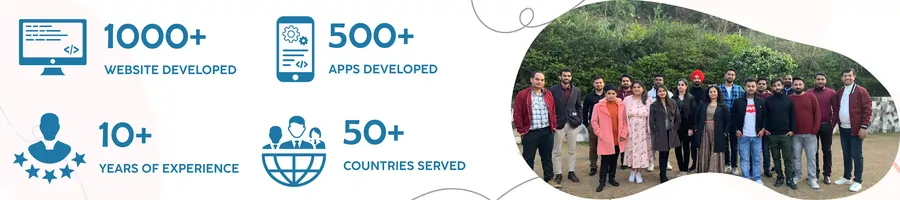
Build your on-demand service app with us! We are a leading mobile app development company with experience since 2014 and a team of expert developers at Digittrix.
If you're interested in building an app but unsure where to start, schedule a consultation today with our expert technical managers by calling +91 8727000867
You can also write to us with your queries at digittrix@gmail.com
 FAQ's