+91-8727000867
 +64 22 003 5555


Digital Transformation with CRM & ERP: A Roadmap for 2025
In 2025, more than 70% of businesses will depend on integrated CRM and ERP systems to enhance productivity, simplify workflows, and boost decision-making efficiency.
Highlights
- 65% of companies report increased sales within a year of CRM and ERP integration.
- Businesses using ERP save up to 20% in operational costs through process automation.
- CRM-enabled firms enjoy 30% quicker customer response times across all communication channels.

Co-Founder
Vandana Abrol 
5 min read
An enthusiastic developer and skilled business management expert with over a decade of experience in the field
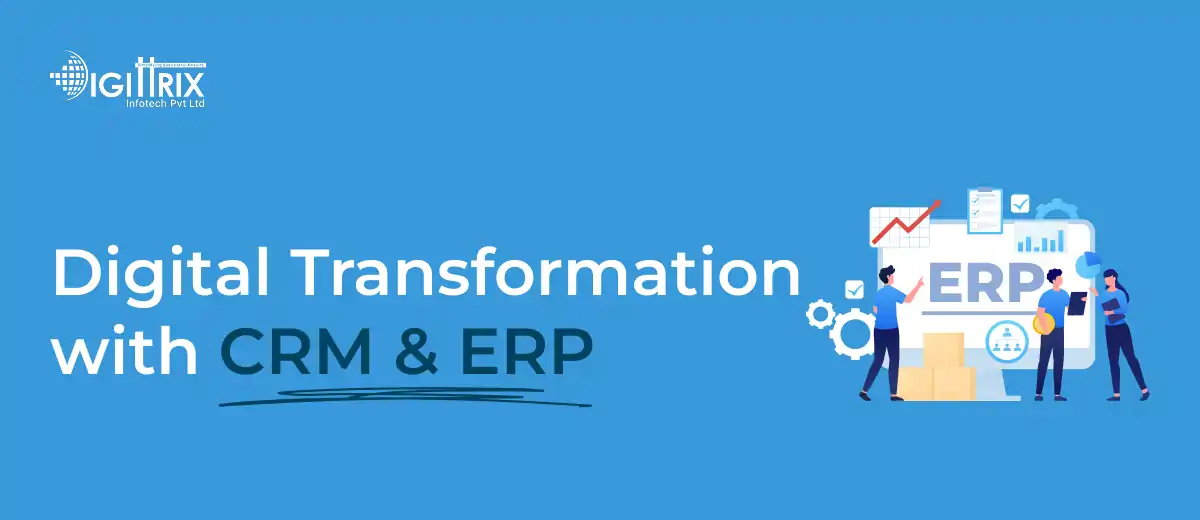
In today’s fast-changing business environment, companies face continuous pressure to improve their processes, strengthen customer relationships, and stay competitive. Customer Relationship Management (CRM) and Enterprise Resource Planning (ERP) systems are now vital tools for achieving these goals.
As 2025 unfolds, digital disruptions are prompting companies to consider more seriously how CRM and ERP systems can be integrated to manage tasks across departments. This article guides you through the development of CRM and ERP, their benefits, the key steps, and why expert support is important. Many organizations are now focusing on digital transformation erp initiatives to align their internal systems with modern operational demands.
Want to improve productivity? Learn how ERP and CRM systems enhance efficiency through data access and automation.
Understanding CRM and ERP in Simple Terms
CRM software is designed to manage how businesses interact with current and potential customers. It helps track customer data, communication history, leads, and sales opportunities. In contrast, ERP systems handle internal operations such as finance, human resources, inventory, supply chain, and production.
Although both systems serve different roles, combining them offers a complete view of customer-facing and back-end processes. This helps business owners and managers make better decisions and improve efficiency while supporting long-term crm erp transformation across departments.
Why CRM and ERP Matter More Than Ever
The business environment in 2025 will demand greater precision, faster response times, and clearer communication between teams. CRM software supports sales, marketing, and service teams in staying coordinated, while ERP systems oversee processes such as billing, stock management, and employee records—making crm software development a key focus for businesses aiming to manage operations more efficiently as part of their broader ERP implementation strategy.
Without these systems, businesses often rely on spreadsheets or outdated tools. These can cause errors, lost data, and communication issues. Integrating CRM and ERP solves these problems by providing a single platform for all essential functions.
Benefits of Adopting CRM and ERP Together
Here are some reasons why integrating CRM and ERP benefits businesses gearing up for the future.
- Better Planning: Companies can track everything from leads to sales, orders, and inventory in one system.
- Improved Customer Handling: A customer service representative can instantly view purchase history and support tickets, improving responses.
- More Accurate Financial Records: When sales and accounting teams work with the same data, invoicing becomes easier and more accurate.
- Simplified Inventory Control: ERP helps manage stock levels, and CRM can reflect that in real time to customers and sales teams.
- Faster Decision-Making: Real-time data means quicker reactions to trends and changes in the market.
 Want Smarter Operations, Not Just More Tools?
Disconnected systems slow down your teams. Digittrix builds integrated CRM & ERP platforms that unify your business data, automate workflows, and support faster decision-making across departments.
Build a unified business system →Key Steps for Digital Growth with CRM and ERP
Businesses striving for growth and readiness in 2025 need to craft a clear plan for CRM and ERP. Here’s a step-by-step roadmap to guide the process.
1. Assess Business Needs
Before selecting a system, business leaders must identify their objectives. This involves understanding which processes require support, where holdups happen, and which departments experience the most confusion. Begin with these questions:
- Are your customer records complete and updated?
- Do your sales and support teams share data?
- Is your accounting system linked to your order system?
An honest answer to these questions will help shape your CRM and ERP journey and contribute toward a more structured digital ERP transformation process.
2. Choose the Right Partner
Developing CRM and ERP platforms from scratch or customizing existing ones demands skill and thorough planning. That’s when an experienced ERP CRM Development Company becomes crucial. These firms assist in designing, implementing, and maintaining systems tailored to your requirements. Partnering with a reputable provider offers expert advice and ongoing support as your business grows, acting as a good authority builder for your technical roadmap.
3. Define the Scope
A common mistake is trying to do everything at once. It’s better to break the work into clear stages. Start by focusing on your core issues, such as sales tracking or billing delays. Then, as you build confidence, add more features like support ticket systems, inventory updates, or automated reporting.
4. Data Preparation and Migration
If you’ve been using spreadsheets or separate systems, you’ll need to collect all that data and tidy it up. This includes removing duplicate contacts, verifying email addresses, and organizing product records. This step takes time, but it’s crucial. Clean data leads to more effective use of your CRM and ERP systems.
5. Customization and Development
Most off-the-shelf systems don’t fully satisfy every company’s requirements. A dependable provider of ERP CRM Development can customize features or remove those that aren’t necessary. This ensures the system stays aligned with what matters most to your business and supports your long-term crm and erp transformation goals.
6. Staff Training
No system will succeed unless your team knows how to use it. Set aside time for training. Break the process into manageable steps. Show staff how to add customers, check stock, generate reports, or respond to leads using the new tools. The more confident they become, the more your business will benefit from the system.
7. Monitoring and Maintenance
After launch, the real work starts. Monitor how the system performs. Are your teams using it correctly? Are there new requirements as your business expands? Your CRM development services partner should help you make updates as necessary.
How CRM Software Helps in 2025
Businesses are collecting more data than ever before. Without effective systems, this data becomes hard to manage or is wasted entirely. CRM software development aims to make this data useful. For example, a customer might call about a delayed product. With the right CRM, your support team can instantly view the order, check stock through the ERP, and update the customer without switching platforms.
This level of connection improves teamwork within the organization and helps avoid delays. A company investing in CRM software development builds a strong base for a better customer experience and more efficient sales management.
The Role of ERP in Business Growth
ERP development services provide a way to unify all key business functions on a single platform. Instead of relying on separate systems for payroll, supply chain, and billing, ERP integrates them into a seamless workflow. Consequently, processes become easier to manage and more accurate.
For example, when an order is placed through the CRM, the ERP system can automatically:
- Check stock levels
- Schedule production if the stock is low
- Generate invoices
- Record the transaction for accounting
- Update the delivery schedule
All of this occurs without manual effort. By partnering with an ERP development services provider, you can tailor your setup to suit your business size, industry and growth phase.
 Planning CRM & ERP Integration for Your Business?
Choosing the right CRM and ERP setup involves more than software selection. Data synchronization, process alignment, system scalability, and long-term operational planning all matter. Digittrix helps businesses evaluate, design, and implement integrated CRM & ERP solutions that support real business workflows.
Overcoming Common Challenges
Adopting CRM and ERP together does not come without difficulties. Some of the common challenges include:
- Resistance to Change: Staff may be used to old systems and be hesitant to change.
- Data Errors: Migrating old data can lead to issues if not cleaned properly.
- Budget Concerns: Building or customizing systems takes time and money.
- Lack of Experience: Without expert help, businesses may install systems that don’t match their real needs.
The good news is that these issues can be managed with proper planning and support. Partnering with an experienced ERP CRM development company means you don’t have to figure it out alone.
Industries That Can Benefit
CRM and ERP systems aren’t just for tech companies or large enterprises. They’re helpful across many industries:
- Retail: Manage stock, handle customer feedback, and track returns.
- Manufacturing: Oversee raw materials, labour, machines, and deliveries in one platform.
- Healthcare: Handle patient records, appointments, and billing.
- Education: Manage student records, schedules, and finances.
- Real Estate: Track leads, manage properties, and monitor contracts.
No matter the industry, having well-organized and current data helps businesses operate more clearly and reduce mistakes.
What to Expect in the Future
As we approach 2025, CRM and ERP systems will become increasingly vital. Expect tools that are more user-friendly, mobile-compatible, and better integrated with online sales channels. Businesses will seek software that not only stores data but also makes it simple to act on it.
Small and mid-sized businesses, in particular, will have more options as software becomes more flexible and affordable. Those who plan early and collaborate with the right development partners will be better prepared for competition.
Looking to upgrade your jewellery business? Check out this complete guide on top jewellery ERP & CRM solutions for 2025—including features, benefits, and key considerations.
Final Words
Digital growth in 2025 isn’t just about buying the latest software. It’s about using systems that help people do their jobs better. CRM and ERP systems, when combined, give businesses the tools they need to manage customers, inventory, sales, and finances in a single view.
Success comes from selecting the right ERP CRM development service, partnering with a reputable ERP CRM development company, and investing in long-term support through CRM software and ERP development services. As these systems become a standard part of doing business, now is an ideal time to get started.
Transform Your Business with ERP & CRM Solutions by Digittrix
In 2025, digital transformation will be more than just a trend; it’s a vital shift. Upgrading your business operations with integrated ERP and CRM systems can significantly enhance efficiency, simplify processes, and boost customer satisfaction.
At Digittrix, we specialize in designing custom ERP and CRM solutions tailored to your specific business requirements. Whether you need to manage stock, automate billing, unify customer data, or connect various departments, our systems are built to help you make smarter decisions, faster.
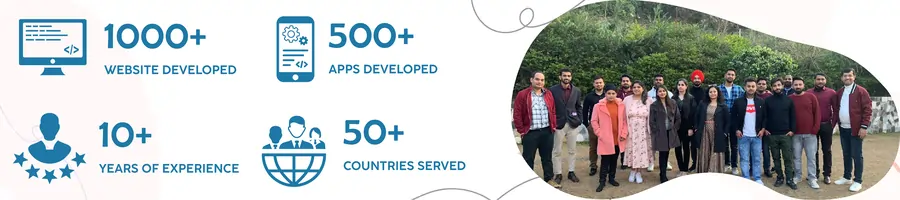
With over 14 years of experience in web and mobile app development, our expert team guarantees that your ERP/CRM platform is scalable, secure, and future-ready. We don’t just deliver software—we provide business transformation.
Need a hand getting started? Book a consultation with our experienced technical managers today by calling +91 8727000867 or emailing us at digittrix@gmail.com.
Do you need help in ERP/CRM Development ?


Join over 1500+ businesses we've already helped!
Table of Contents
Recent Posts
 FAQ's
FAQ's
2025 is a key year as more businesses seek to centralize processes, data, and customer interaction through digital systems.
They improve workflow management, data access, and decision-making, allowing companies to scale faster with reduced manual errors.
Retail, healthcare, manufacturing, and logistics often see major benefits from digital systems managing operations and client data.
Yes, many affordable cloud-based solutions will be available in 2025 for small and medium-sized businesses.




 Request Instant Call
 Hire Remotely